Why Are My Brakes Squeaking?
Squeaky brakes are one of the most common automotive complaints — and one of the most misunderstood. Sometimes the noise is harmless and temporary. Other times, it's an early warning that your brake pads, rotors, or other components need attention before something more serious develops.
At Four Mile Fork Garage in Fredericksburg, VA, our ASE Certified technicians diagnose brake noise every day. In this guide, we'll walk you through the most common reasons brakes squeak, which sounds are normal, and when you should schedule a professional brake inspection.
Is It Normal for Brakes to Squeak?
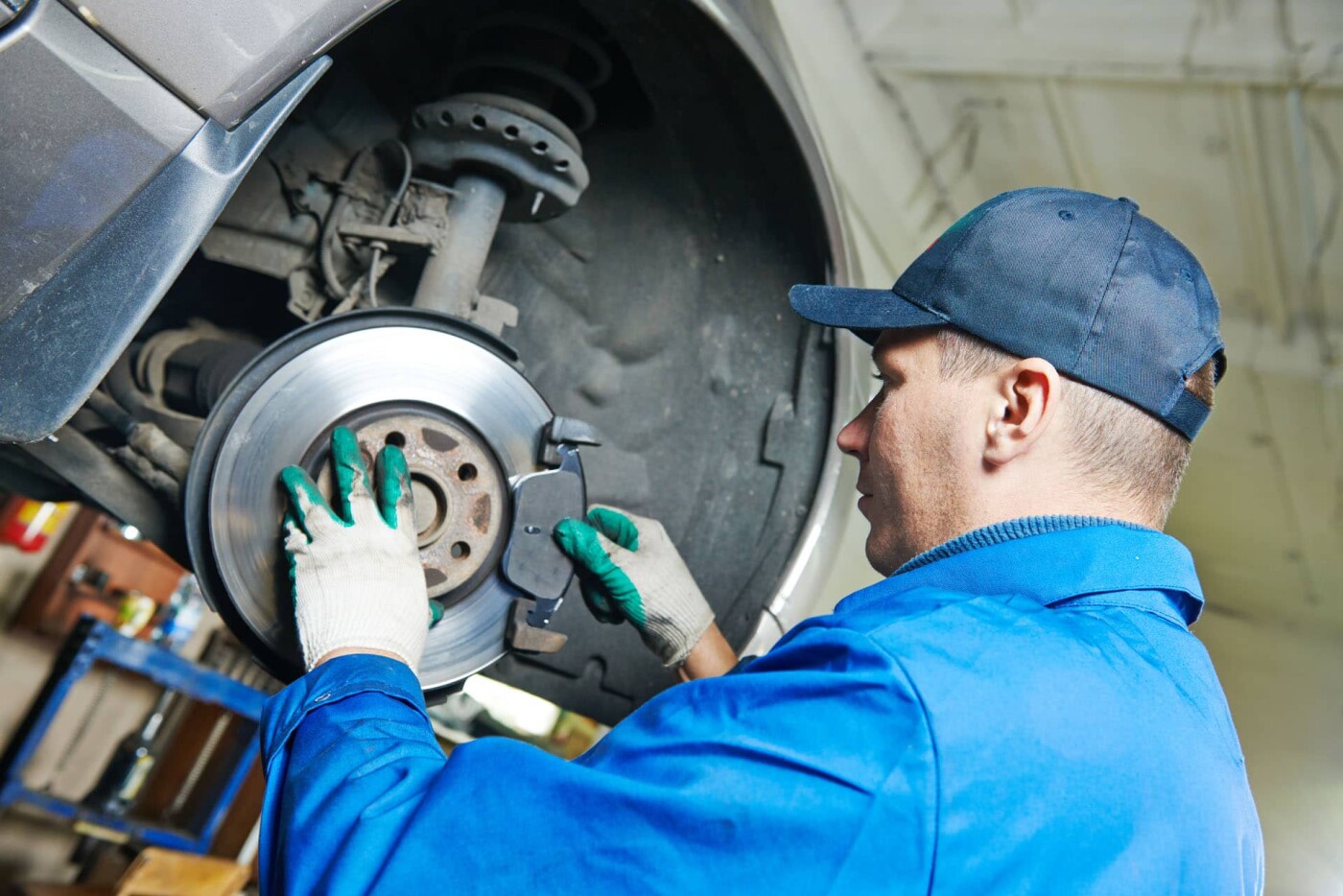
In many cases, yes — a brief squeak when you first start driving is completely normal and nothing to worry about. There are several harmless causes of temporary brake noise that resolve on their own within a few stops.
Morning moisture: Overnight condensation can form a thin layer of moisture on your brake rotors. When you first apply the brakes, the pads wipe away that moisture and may produce a light squeak or squeal. This is especially common in Fredericksburg's humid climate during spring and summer months. Once the moisture burns off after a few stops, the noise typically disappears.
Surface rust: Virginia's humidity can cause a thin layer of surface rust to form on bare metal rotor surfaces overnight or after rain. This rust gets scraped away the first few times you brake and can produce a brief grinding or squealing sound. It's cosmetic and not a sign of damage.
Cold weather noise: In colder months, brake components contract slightly and the pad material can behave differently until everything warms up. A squeak during the first few minutes of driving on a cold morning is typically nothing to worry about.
The key test: If the squeak disappears after a few stops and doesn't return during normal driving, it's almost certainly one of these harmless causes. However, if the noise is persistent, gets louder over time, or is accompanied by other symptoms like vibration or a soft brake pedal, it's time for an inspection.
Worn Brake Pads (Most Common Cause)
The most common cause of persistent brake squeaking is worn brake pads. Most modern brake pads are designed with a small metal tab called a "wear indicator" or "squealer." This tab is positioned so that when the pad material wears down to a certain thickness — typically around 2 to 3 millimeters — the tab begins making contact with the rotor surface. The result is a high-pitched squealing sound that's intentionally designed to alert you that your pads are nearing the end of their useful life.
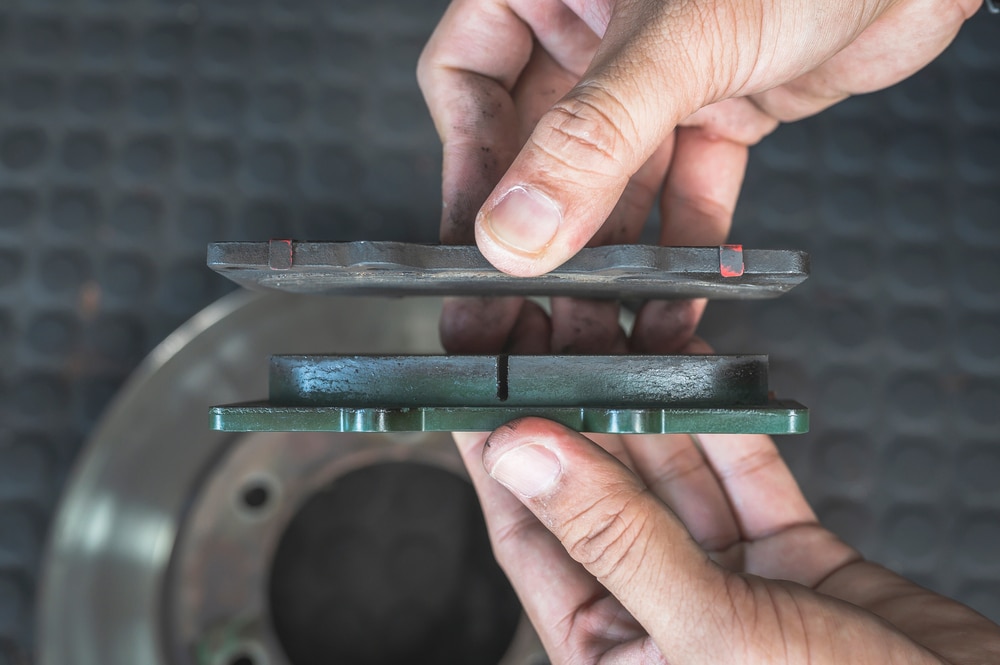
Worn brake pads (bottom) compared to new brake pads (top)
If you're hearing this squeal consistently — especially when braking at low speeds — your pads likely need replacement. When brake pads wear past the indicator tab and the friction material is completely gone, you'll transition from a squeal to a grinding sound. That grinding means the metal backing plate of the pad is now pressing directly against the rotor. At this stage, you're no longer just replacing pads — you're likely looking at rotor damage and a more expensive repair.
How thin is too thin? Most manufacturers recommend replacing brake pads when the friction material is at or below 3mm. Below 2mm, the pads are critically worn and the risk of rotor damage increases significantly with every drive.
If you've noticed squeaking that won't go away, it may be time to check for other signs you need new brake pads before the problem gets worse. Catching pad wear early is one of the best ways to avoid costly rotor replacement down the road.
For a full checklist of warning signs, see: How Do I Know If I Need New Brake Pads?
Glazed Brake Pads or Rotors
Glazing occurs when brake pads or rotors overheat and the pad material hardens into a smooth, glass-like surface. Instead of gripping the rotor effectively, glazed pads slide against it — producing a squealing noise and noticeably reduced braking performance.
This is a particularly common problem for drivers in the Fredericksburg area who deal with heavy stop-and-go traffic along Route 1 and I-95. Constant braking at low speeds generates sustained heat in the brake system, and if pads never get a chance to cool down between stops, glazing can develop over time.
Riding the brakes while driving downhill is another common cause. When the brake pedal is held down for extended periods — such as on a long descent — the sustained friction generates extreme heat. This heat can crystallize the pad surface and create hot spots on the rotor.
The squealing from glazed brakes tends to be consistent rather than intermittent. You may also notice that your vehicle takes longer to stop or that you need to press the pedal harder than usual. In some cases, the brakes may feel less responsive overall.
Mild glazing can sometimes be corrected by resurfacing the rotors and scuffing the pad surface. More severe cases require pad and rotor replacement to restore proper braking function.
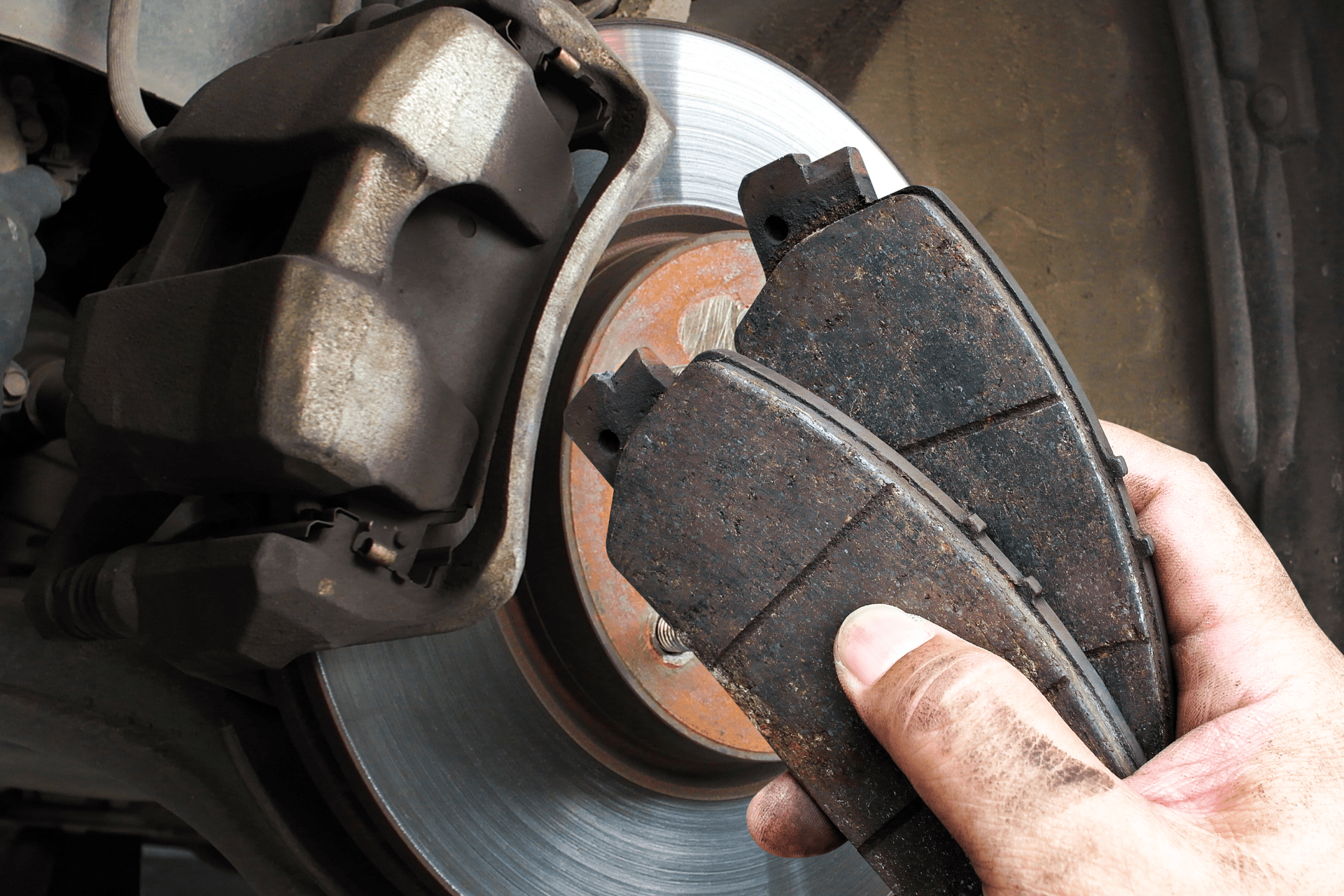
Brake pad and rotor assembly diagram
Cheap or Metallic Brake Pads
Not all brake pads are created equal. The material composition of your brake pads plays a significant role in whether they squeak during normal use. There are three main types of brake pad compounds:
- Ceramic pads: Quietest option, produce minimal dust, and offer smooth braking. They tend to last longer and are well-suited for everyday driving.
- Semi-metallic pads: Offer stronger stopping power and better heat dissipation, but tend to produce more noise and brake dust. Common on trucks and performance vehicles.
- Organic pads: Softer and quieter when new, but wear faster and may not perform as well under heavy braking or high temperatures.
Budget brake pads — regardless of type — often use lower-quality materials that are more prone to noise. They may contain harder metallic particles that vibrate against the rotor at certain frequencies, creating that familiar high-pitched squeal.
Investing in quality brake pads matched to your vehicle and driving style can eliminate noise issues while also providing better stopping performance and longer service life. Our technicians can recommend the right pad compound for your specific vehicle and driving conditions.
Stuck Caliper or Hardware Issues
Sometimes brake noise isn't about the pads at all — it's caused by the hardware that holds everything in place. The brake caliper uses slide pins to move freely and apply even pressure on both sides of the rotor. When these pins seize due to corrosion, lack of lubrication, or debris buildup, the caliper can't retract properly. This causes one pad to drag against the rotor continuously, generating a constant squeal or scraping sound even when you're not braking.
Anti-rattle clips and shims are small but important components that keep brake pads seated properly and prevent vibration. When these clips are missing, worn out, bent, or improperly installed, the pads can shift slightly within the caliper bracket. That movement creates vibration against the rotor — and vibration means noise.
Improper installation is a surprisingly common cause of brake noise. If pads are installed without proper lubrication on contact points, without new hardware, or if caliper bolts aren't torqued correctly, squeaking can start almost immediately after a brake job. This is one of the reasons a professional brake service matters — proper installation technique is just as important as the parts themselves.
What Happens If You Ignore Squeaking Brakes?
Squeaking brakes are often an early warning sign that your brake pads are wearing thin. Most brake pads include a small metal wear indicator designed to create a high-pitched squeal when the pad material reaches a low thickness. At this stage, the repair is usually straightforward — replacing the brake pads before additional damage occurs.
However, if the noise changes from squeaking to grinding, the situation becomes more serious. Grinding typically means the brake pad friction material has completely worn away and the metal backing plate is now pressing directly against the brake rotor.
When metal contacts metal, it can quickly:
- Score and damage the rotor surface
- Reduce braking performance
- Increase stopping distance
- Generate excessive heat
- Lead to full rotor replacement instead of a simple pad replacement
Driving for an extended period while your brakes are grinding almost always turns an affordable brake pad replacement into a more expensive repair involving both pads and rotors.
If your brakes are making persistent noise while driving in Fredericksburg traffic — especially in stop-and-go conditions along Route 1 or I-95 — it's best to have them inspected promptly. Addressing brake wear early protects your rotors, reduces repair costs, and keeps your vehicle safe.
If you're trying to decide whether your rotors need replacement too, read Should You Replace Rotors When Replacing Brake Pads?.
If the noise has turned into grinding, read: Why Are My Brakes Grinding?
When Brake Squeaking Becomes Dangerous
While a light morning squeak is usually harmless, certain brake symptoms indicate a safety concern that should be addressed promptly. Watch for the following warning signs:
- Grinding noise: Metal-on-metal contact means pads are completely worn and rotors are being damaged with every stop.
- Pulsating brake pedal: Often indicates warped rotors that can't provide a consistent braking surface.
- Steering wheel vibration: If your steering wheel shakes when braking, it usually points to front rotor issues or uneven pad wear.
- Longer stopping distance: If your vehicle takes noticeably longer to stop, your braking system is compromised and needs immediate attention.
- Brake warning light: Your vehicle's onboard diagnostics have detected a problem in the braking system. Don't ignore this indicator.
If you're experiencing any of these symptoms alongside squeaking, don't wait. Your brakes are a safety system, and compromised brakes put you, your passengers, and other drivers at risk. A quick inspection can determine exactly what's going on and what needs to be done.
If you need a professional evaluation, visit our Brake Repair in Fredericksburg page to learn more about our inspection and repair services.
How Long Can You Drive on Squeaky Brakes?
The answer depends entirely on what's causing the squeak. If the noise is from morning moisture or surface rust and goes away after a few stops, there's no urgency — your brakes are functioning normally.
If the squeak is caused by a wear indicator tab, you typically have some time before the pads are critically worn — but "some time" can vary from a few hundred to a few thousand miles depending on your driving habits and how much pad material remains. The wear indicator is designed to give you advance warning, not emergency notice.
If you hear grinding, feel pulsation, or notice any change in braking performance alongside the squeak, you should have your brakes inspected as soon as possible. Continuing to drive with severely worn or damaged brakes increases repair costs and — more importantly — reduces your ability to stop safely in an emergency.
The safest approach is straightforward: if you're hearing a persistent squeak that doesn't go away after normal driving, have it checked. A brake inspection takes relatively little time and gives you a clear picture of your brake system's condition. It's always better to know than to guess.
How Much Does It Cost to Fix Squeaky Brakes in Fredericksburg?
The cost of fixing squeaky brakes depends on the underlying cause. If the squeak is from worn brake pads, a standard brake pad replacement for one axle typically ranges from $150 to $300, depending on your vehicle and the quality of pads selected.
If rotors also need to be replaced or resurfaced, expect the total cost to range from $300 to $750 per axle. Caliper-related issues, while less common, can add additional cost depending on whether the caliper needs rebuilding or replacement.
The most important factor in controlling brake repair costs is timing. Addressing a squeak early — when only pads need replacing — is significantly less expensive than waiting until rotors, calipers, or other components are damaged. For a detailed breakdown of what affects pricing, read our guide on brake pad replacement cost in Fredericksburg.
At Four Mile Fork Garage, we always provide a clear estimate before beginning any work. You'll know exactly what's needed and what it costs — no surprises and no pressure.
What Happens During a Brake Inspection at Four Mile Fork Garage?
When you bring your vehicle in for a brake inspection, our ASE Certified technicians perform a thorough evaluation of your entire braking system. Here's what we check:
- Pad thickness measurement: We measure the remaining friction material on both front and rear brake pads to determine how much life is left.
- Rotor inspection: We check for thickness, warping, scoring, and hot spots that can affect braking performance and cause noise.
- Caliper inspection: We verify that calipers are sliding freely, applying even pressure, and not leaking brake fluid.
- Brake fluid check: We inspect brake fluid level and condition. Contaminated or low fluid can affect braking feel and performance.
- Road test: When needed, we road test the vehicle to replicate the noise or symptom you described and verify our findings.
After the inspection, we explain what we found in plain language — not mechanic jargon. If your brakes need work, you'll know exactly what's recommended and why. If they don't need replacement yet, we'll tell you honestly and let you know when to come back. We've been earning the trust of Fredericksburg drivers since 1989, and that trust starts with telling the truth.
For professional inspection and repair, visit Brake Repair in Fredericksburg.