How Long Do Brake Rotors Last?
Brake rotors do not have a fixed expiration date. Their lifespan depends on vehicle type, driving habits, traffic patterns, brake pad maintenance, and heat exposure. For drivers in Fredericksburg, VA, understanding how long brake rotors last can prevent vibration, noise, inspection failures, and unnecessary repair costs.
At Four Mile Fork Garage, we measure rotor thickness during every brake inspection and evaluate heat damage, runout, and surface condition before making recommendations. In this guide, we'll explain what truly determines rotor lifespan, when replacement becomes necessary, and how to extend the life of your braking system.
Average Brake Rotor Lifespan
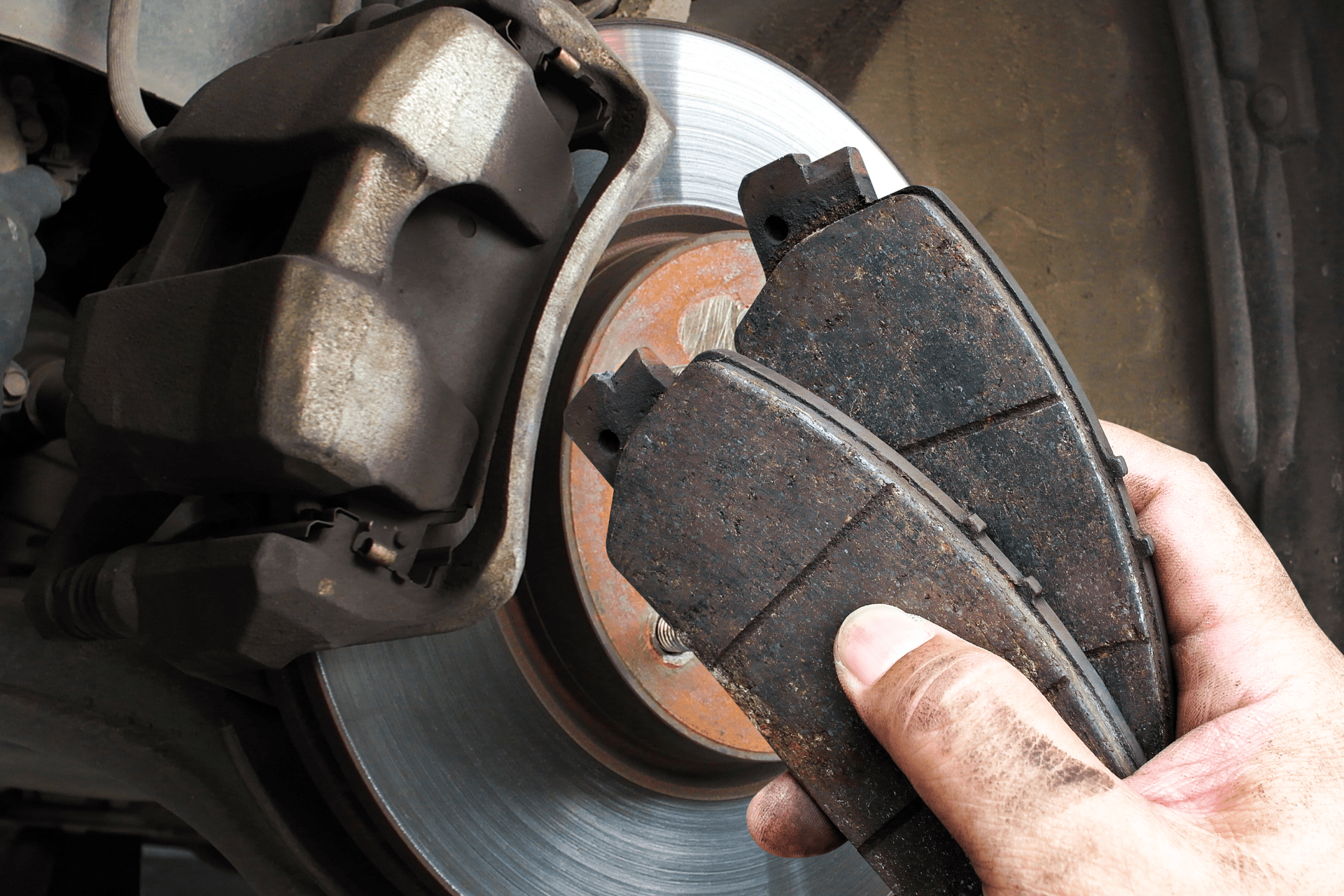
Most brake rotors last between 50,000 and 70,000 miles. However, mileage alone does not determine replacement timing.
Some vehicles require rotor replacement at 40,000 miles due to aggressive driving or heavy traffic. Others may exceed 80,000 miles under consistent highway conditions.
Rotor lifespan depends on:
- Driving style
- Vehicle weight
- Brake system design
- Heat cycles
- Pad replacement timing
- Traffic conditions
There is no universal mileage rule. Rotor thickness and condition determine necessity — not odometer reading alone.
What Actually Wears Brake Rotors Down?
Each time you press the brake pedal, brake pads clamp against the rotor surface, creating friction. That friction converts motion into heat and gradually removes microscopic layers of metal from the rotor face.
Rotor wear is caused by:
- Friction from brake pads
- Heat buildup
- Stop-and-go traffic
- Aggressive braking
- Metal-on-metal pad wear
- Corrosion over time
In Fredericksburg, frequent braking along Route 1 and I-95 significantly increases heat cycles compared to rural or highway-only driving.
Over time, rotors thin and lose heat-dissipation capacity. Once thickness drops below manufacturer minimum specification, replacement becomes mandatory for safe braking performance.
Why Heat Is the Biggest Factor in Rotor Life
Brake rotors are typically made from cast iron because it tolerates high temperatures well. However, even cast iron has limits.
Each braking event creates heat. In heavy traffic, repeated braking can push rotor temperatures to several hundred degrees.
Repeated heat cycles cause:
- Expansion and contraction of metal
- Surface hardening (heat spots)
- Thickness variation
- Micro-cracks
- Warping
Heat damage is often why rotors must be replaced even when they are technically above minimum thickness.
Drivers who brake aggressively or ride the brakes downhill shorten rotor life significantly.
How Brake Pads Directly Affect Rotor Lifespan
Brake pads act as a protective buffer between the caliper and the rotor. When pads are replaced early, rotors are preserved.
When pads wear completely down:
- The metal backing plate contacts the rotor
- Deep grooves form
- Heat increases dramatically
- Rotor damage accelerates
Replacing brake pads before they reach 2–3mm thickness protects rotors and reduces total brake repair costs.
If you're unsure whether your pads are worn, read: How Do I Know If I Need New Brake Pads?
Can Rotors Last Through Multiple Pad Replacements?
Sometimes — but not always.
Older vehicles used thicker rotors that could often last through two or more pad changes.
Many modern vehicles use lighter-weight rotors designed for fuel efficiency. These thinner rotors often reach minimum thickness sooner.
In many cases, rotors are replaced every second pad replacement — but this is not automatic. Measurement determines necessity.
For deeper guidance, read: Should You Replace Rotors When Replacing Brake Pads?
Signs Your Brake Rotors Are Wearing Out
Common symptoms of rotor wear include:
- Pulsating brake pedal
- Steering wheel vibration while braking
- Grinding noises
- Visible deep grooves
- Uneven braking feel
- Increased stopping distance
If you're hearing persistent squeaking or grinding, review: Why Are My Brakes Squeaking?
Grinding typically means the pads have worn completely and rotor damage is already occurring.
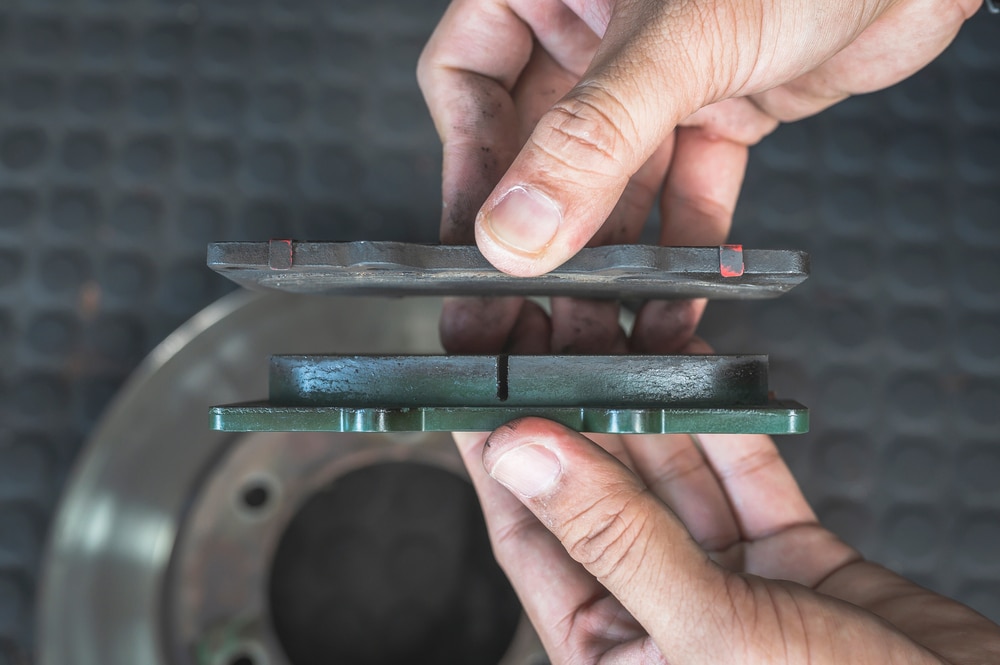
Worn brake pads (bottom) compared to new brake pads (top)
When Do Brake Rotors Need Replacement?
Rotors must be replaced when:
- They measure below manufacturer minimum thickness
- They are warped
- They have excessive runout
- They show severe scoring
- They have visible cracking
- Heat damage compromises structure
A micrometer measures rotor thickness. A dial indicator measures runout (side-to-side wobble).
Guessing based on mileage is unreliable. Measurement determines safety.
Can Rotors Be Resurfaced Instead of Replaced?
Resurfacing removes a thin layer of metal to restore smoothness.
It may be possible when:
- Rotor remains well above minimum thickness
- Heat damage is minimal
- No cracking is present
- Runout is within tolerance
However, because modern rotors begin thinner, resurfacing is less common today.
In many cases, replacement provides better long-term value and reduces repeat labor costs.
How Driving Conditions in Fredericksburg Affect Rotor Life
Local driving conditions matter. Fredericksburg drivers frequently experience:
- Stop-and-go traffic
- Urban intersections
- I-95 congestion
- Summer heat
- Short commuting distances
Frequent braking increases heat cycles and accelerates rotor wear compared to steady highway driving.
Drivers who anticipate stops and brake smoothly can significantly extend rotor lifespan.
For drivers in Fredericksburg and surrounding areas, regular brake inspections help ensure rotor wear is identified early before vibration or safety issues develop.
How Virginia State Inspection Affects Rotor Replacement
Virginia requires annual vehicle safety inspections. Brake components are carefully evaluated.
If rotors are excessively scored, cracked, or unsafe due to thinning, the vehicle may fail inspection.
Drivers can avoid unexpected failures by scheduling brake service before their annual Virginia State Inspection in Fredericksburg.
Proactive inspection prevents surprise repair costs.
Cost Considerations — When Rotor Replacement Makes Financial Sense
Even if rotors are slightly above minimum thickness, replacement may be recommended when:
- Thickness is near specification
- Labor overlap makes combined replacement efficient
- Long-term ownership is planned
- Vibration risk is increasing
Replacing rotors during pad service can sometimes prevent paying labor twice within a short time frame.
For a full breakdown of pricing factors, read: How Much Does Brake Pad Replacement Cost in Fredericksburg?
Vented vs Solid Rotors — Does Design Affect Longevity?
Most front rotors are vented, meaning they contain internal cooling vanes that allow air to flow through the rotor. This design improves heat dissipation.
Rear rotors may be solid or vented depending on vehicle design.
Vented rotors typically:
- Resist heat buildup more effectively
- Maintain structural integrity longer
- Perform better under repeated braking
Solid rotors are simpler but may retain heat longer in heavy traffic conditions. Rotor design influences lifespan, especially for drivers who frequently encounter stop-and-go traffic in Fredericksburg.
Commuter vs Highway Driver — Real-World Rotor Lifespan Differences
A driver commuting daily through Fredericksburg traffic may experience rotor wear twice as fast as someone driving steady highway miles.
Commuter conditions include:
- Frequent red lights
- Congested intersections
- Heavy braking cycles
- Short trip heat buildup
Highway drivers who brake less frequently allow rotors to cool between stops, which significantly extends service life. Driving pattern is one of the biggest variables in determining how long brake rotors last.
FAQ — Brake Rotor Lifespan
How long should brake rotors last on average?
Most rotors last between 50,000 and 70,000 miles, but lifespan varies depending on driving conditions and maintenance.
Can rotors last 100,000 miles?
It is possible under ideal highway conditions with early pad replacement, but it is not typical for city drivers.
Do rear rotors last longer than front rotors?
Front rotors usually wear faster because they handle more braking force.
Is vibration always a sign of bad rotors?
Not always, but pulsation during braking often indicates rotor thickness variation or warping.
Rotor Thickness Variation — The Hidden Cause of Vibration
Many drivers assume that "warped rotors" are physically bent. In reality, most brake vibration issues are caused by rotor thickness variation.
Thickness variation occurs when small differences develop across the rotor surface. Even slight variations — sometimes just a few thousandths of an inch — can cause noticeable pedal pulsation.
This happens because:
- Heat cycles change metal density in certain areas
- Uneven pad deposits create high and low spots
- Runout causes inconsistent contact patterns
Over time, brake pads apply pressure unevenly. That uneven pressure accelerates wear and shortens rotor lifespan.
Thickness variation is one of the primary reasons rotors are replaced even when they are technically above minimum thickness.
The Role of Brake Bedding in Rotor Longevity
Proper bedding is critical to rotor life.
Brake bedding is the controlled process of transferring an even layer of pad material onto the rotor surface after installation.
When bedding is done correctly:
- Heat distribution becomes more uniform
- Pad deposits are even
- Vibration risk decreases
- Noise is minimized
- Rotor wear slows
If bedding is skipped or performed incorrectly, uneven pad deposits can create hotspots. Those hotspots increase thickness variation and shorten rotor life.
After brake service, moderate controlled braking — not aggressive stops — helps establish proper pad transfer.
Seasonal Climate Effects on Brake Rotors in Fredericksburg, VA
Virginia's climate plays a role in rotor wear.
Drivers in Fredericksburg, Spotsylvania, and Stafford experience:
- Humid summers
- Rain exposure
- Occasional winter road treatments
- Temperature swings
Humidity can cause light surface corrosion overnight. While typically harmless, prolonged moisture exposure can accelerate oxidation.
Drivers who take frequent short trips may not allow rotors to fully heat up and burn off moisture, which can contribute to surface rust accumulation.
Regular driving and annual brake inspections in Fredericksburg help prevent corrosion-related rotor deterioration.
DIY Brake Jobs — How Installation Quality Affects Rotor Life
Rotor lifespan is not just about driving habits — installation quality matters.
Improper installation can shorten rotor life due to:
- Uneven lug nut torque
- Failure to clean hub mating surfaces
- Reusing worn hardware
- Skipping lubrication of slide pins
- Incorrect bedding procedures
Even a small amount of rust between the hub and rotor can create runout.
Professional brake repair in Fredericksburg ensures proper torque patterns, clean mounting surfaces, and calibrated measurements — all of which extend rotor longevity.
High-Mileage Vehicle Scenario — When Replacement Becomes Preventative
On high-mileage vehicles, rotors may technically measure above minimum thickness but be approaching service limits.
In these cases, replacement may be recommended when:
- Thickness is close to specification
- Multiple heat cycles have hardened the surface
- Pad replacement is already being performed
- Long-term ownership is planned
Replacing rotors proactively during pad service can prevent paying labor again in the near future.
Brake Rotor Replacement in Fredericksburg, VA
For drivers in Fredericksburg, Spotsylvania, and Stafford, brake rotor lifespan often depends on daily commuting conditions. Stop-and-go traffic along Route 1, congestion on I-95, and short local trips create frequent braking cycles that increase heat and wear.
Because of these local driving conditions, brake rotors on vehicles in the Fredericksburg area may wear faster than vehicles driven primarily on open highways.
If you're experiencing vibration, grinding, or uneven braking, professional brake repair in Fredericksburg ensures your rotors are measured accurately and evaluated for safety. At Four Mile Fork Garage, we inspect rotor thickness, check runout, evaluate surface condition, and determine whether resurfacing or replacement is the safest option.
If you need service, visit our Brake Repair in Fredericksburg page to learn more about rotor and pad replacement options.
Final Answer — How Long Do Brake Rotors Last?
Brake rotors typically last between 50,000 and 70,000 miles, but lifespan varies significantly based on driving style, vehicle design, traffic conditions, and maintenance timing.
There is no fixed schedule for rotor replacement.
Inspection and measurement determine necessity.
Professional brake repair in Fredericksburg ensures those measurements are performed accurately and your braking system remains safe and reliable.
If you're unsure about your rotor condition, our ASE Certified technicians at Four Mile Fork Garage in Fredericksburg can inspect and measure your braking system and explain your options clearly.