Why Is My Steering Wheel Shaking When I Brake?
If your steering wheel shakes or vibrates when you press the brake pedal, it is not something to ignore. Steering wheel vibration during braking is one of the most common signs of brake system imbalance — and in many cases, it indicates rotor thickness variation or brake component wear.
At Four Mile Fork Garage in Fredericksburg, VA, we diagnose brake vibration issues daily. In this guide, we explain what causes steering wheel shake when braking, what it means for your vehicle, and when you should schedule brake repair.
What Does Steering Wheel Shaking During Braking Mean?
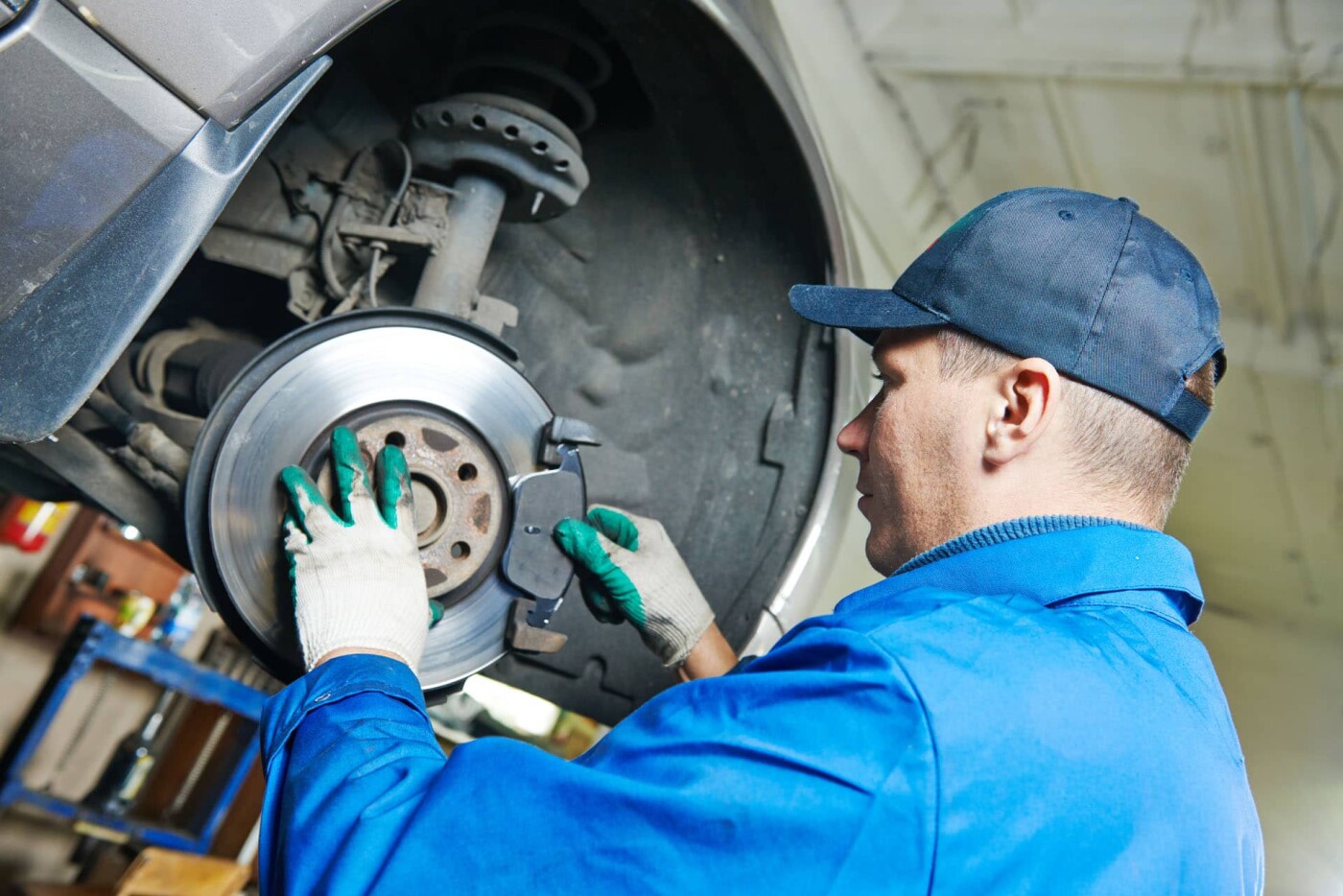
When your steering wheel shakes while braking, it usually means braking force is not being applied evenly across the rotor surface.
As the brake pads clamp against the rotor, any variation in thickness, heat spots, or lateral runout can cause pulsation. That pulsation transfers through the suspension and steering components — and you feel it in the steering wheel.
This is most noticeable at highway speeds.
The Most Common Cause: Rotor Thickness Variation
Many drivers assume they have "warped rotors." In reality, true rotor warping is rare.
Most brake vibration is caused by rotor thickness variation.
Rotor thickness variation happens when:
- Heat cycles create uneven metal density
- Pad deposits form uneven high and low spots
- Runout causes inconsistent pad contact
- Improper lug torque distorts rotor mounting
Even small thickness differences — sometimes just a few thousandths of an inch — can cause noticeable steering wheel shake.
If you want to understand rotor lifespan in more detail, see: How Long Do Brake Rotors Last?
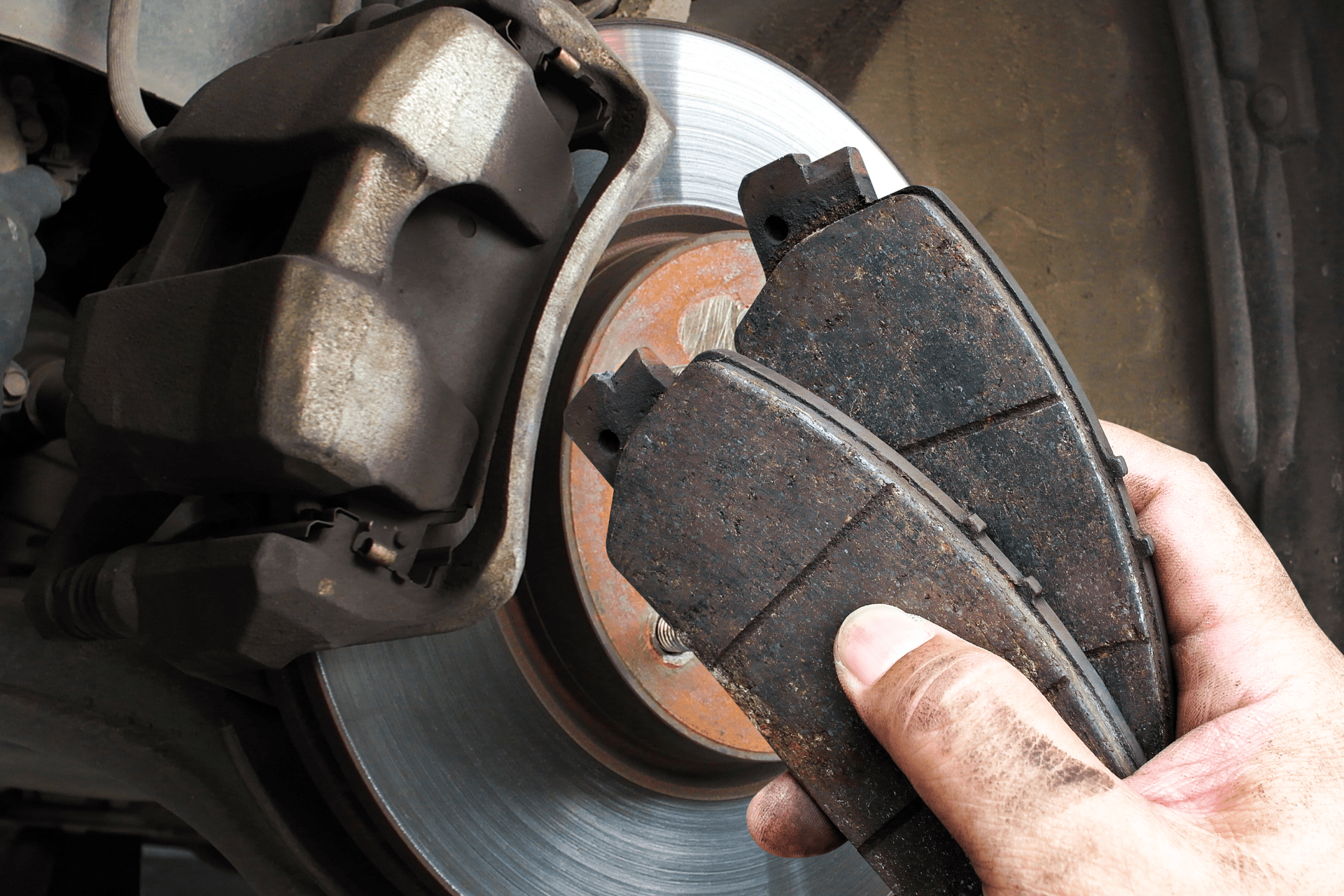
Brake pad and rotor assembly diagram
Can Worn Brake Pads Cause Steering Wheel Shake?
Yes — indirectly.
When brake pads wear too thin, they:
- Transfer heat more aggressively
- Create uneven pad deposits
- Accelerate rotor wear
- Increase risk of vibration
If pads are worn below 3mm, rotor damage becomes more likely.
If you're unsure about pad condition, read: How Do I Know If I Need New Brake Pads?
Other Possible Causes of Brake Vibration
Although rotors are the most common cause, other issues can contribute:
1. Seized Caliper Slide Pins
Uneven caliper movement causes one pad to press harder than the other.
2. Improper Wheel Torque
Over-tightened or unevenly torqued lug nuts can distort the rotor hat.
3. Suspension Component Wear
Worn tie rods or ball joints can amplify vibration.
4. Brake Hardware Failure
Worn clips or brackets can create imbalance.
Proper diagnosis determines the real cause — not guesswork.
Is It Safe to Drive With a Shaking Steering Wheel?
It depends on severity — but it is never ideal.
Brake vibration can:
- Increase stopping distance
- Reduce braking consistency
- Accelerate rotor wear
- Increase emergency stopping risk
- Cause driver instability at high speeds
If vibration worsens over time, immediate inspection is recommended.
What Happens If You Ignore Brake Vibration?
Ignoring brake vibration can lead to:
- Deep rotor scoring
- Complete rotor replacement
- Premature pad wear
- Caliper stress
- Increased repair cost
What may begin as minor thickness variation can evolve into a full rotor replacement scenario.
For related repair considerations, see: Should You Replace Rotors When Replacing Brake Pads?
How We Diagnose Brake Vibration in Fredericksburg
At Four Mile Fork Garage, we do not replace parts without measurement.
Our brake vibration diagnosis includes:
- Measuring rotor thickness with a micrometer
- Checking rotor runout using precision tools
- Inspecting pad wear patterns
- Inspecting caliper slide function
- Checking brake fluid condition
- Verifying proper lug torque
- Road testing when necessary
Every recommendation is based on manufacturer specifications.
Most steering wheel vibration complaints we diagnose in Fredericksburg are caused by rotor thickness variation — not true rotor warping. We measure rotor thickness and runout down to thousandths of an inch using precision tools. That level of accuracy allows us to identify imbalance early and prevent unnecessary part replacement.
Schedule Brake Repair in Fredericksburg Today
If your steering wheel is shaking while braking, the problem will not resolve itself. Brake vibration almost always worsens as rotor wear increases.
Early inspection can:
Prevent complete rotor replacement
Reduce overall repair cost
Restore smooth braking performance
Protect stopping distance in emergency situations
If you're experiencing steering wheel shake anywhere in Fredericksburg, Four Mile Fork, Spotsylvania, or nearby Stafford County, schedule a professional brake inspection before vibration causes additional damage.
Learn more about our full Brake Repair in Fredericksburg service.
To understand how vibration, pad wear, and rotor damage connect, review our complete Brake Repair in Fredericksburg service page for a full breakdown of inspection standards and repair options.
Why Brake Vibration Is Common in Fredericksburg
Local driving conditions increase brake stress:
- Stop-and-go traffic on Route 1
- I-95 congestion
- Short trip commuting
- Summer heat buildup
- Frequent intersections
Repeated heat cycles accelerate rotor thickness variation.
Regular brake inspections are especially important for Fredericksburg drivers.
When Does the Steering Wheel Shake — And What That Tells You
The timing of brake vibration often helps identify the cause.
Here's what different patterns can mean:
Shaking only at high speeds while braking
This typically indicates rotor thickness variation or lateral runout. The faster the wheel spins, the more noticeable imbalance becomes.
Shaking that worsens over time
Progressive vibration usually means rotor surface wear is increasing and pad deposits are becoming more uneven.
Shaking immediately after recent brake work
This may indicate improper wheel torque, hub surface contamination, or bedding procedure issues.
Shaking that happens even without braking
This may indicate suspension imbalance, wheel balance issues, or steering component wear rather than brake-related causes.
Understanding when the vibration occurs helps isolate whether the issue is brake-system related or suspension-related.
During inspection, we ask detailed questions about when the vibration happens — because accurate diagnosis depends on patterns, not assumptions.
Why Brake Vibration Becomes Dangerous in Emergency Situations
Brake vibration is more than a comfort issue — it directly affects emergency stopping performance.
When rotor thickness variation is present, braking force is applied unevenly. During normal driving, this may feel like mild steering wheel shake. During emergency braking, however, uneven force can:
- Increase stopping distance
- Reduce steering stability
- Trigger premature ABS activation
- Create unpredictable brake response
- Reduce driver confidence at highway speeds
In wet road conditions, vibration can worsen because traction is already reduced. If braking force is inconsistent, stopping distance increases further.
Emergency braking requires maximum rotor contact and even pressure distribution. Any imbalance in the braking surface compromises performance.
For drivers traveling on I-95, Route 1, or high-speed areas around Fredericksburg, maintaining balanced brake performance is critical for safety.
Steering wheel vibration is an early warning sign that your braking system is no longer operating evenly.
Prompt inspection prevents escalation.
Does This Mean I Need New Rotors?
Not automatically.
Sometimes resurfacing is possible if rotors remain within manufacturer thickness specifications.
However, many modern rotors begin thinner and cannot safely be resurfaced once vibration develops.
Proper measurement determines whether resurfacing or replacement is appropriate.
Brake Vibration in Cars, Trucks & SUVs in Fredericksburg
Steering wheel vibration during braking can affect all vehicle types — including cars, trucks, SUVs, domestic vehicles, import vehicles, and hybrid models.
Heavier vehicles such as trucks and SUVs often experience brake vibration sooner because additional vehicle weight places more stress on rotors and pads. Increased braking force generates more heat, which accelerates rotor thickness variation.
Hybrid vehicles can also develop brake vibration. Although regenerative braking reduces pad wear, friction brakes still handle emergency and higher-speed stops. Uneven rotor wear can still occur over time.
Domestic and import vehicles may use different rotor materials and brake system designs, but the root cause of steering wheel shake remains the same: uneven braking surface contact.
At Four Mile Fork Garage in Fredericksburg, we diagnose brake vibration across all vehicle types using manufacturer specifications and precision measurement tools.
No matter what you drive, vibration while braking should always be inspected.
Steering Wheel Shake vs Brake Grinding
Steering wheel shaking = uneven braking surface.
Brake grinding = metal-on-metal contact.
If you hear grinding instead of feeling vibration, read: Why Are My Brakes Grinding?
Grinding requires immediate attention.
Virginia State Inspection and Brake Vibration
Severe rotor damage, excessive scoring, or unsafe brake conditions can result in failure during a Virginia State Inspection.
If your inspection is approaching, schedule brake service before your Virginia State Inspection in Fredericksburg.
What This Means for Your Vehicle
If your steering wheel shakes while braking, your braking system is no longer operating evenly.
In most cases, this means:
- Rotor thickness variation is present
- Pad deposits are uneven
- Heat cycles have created imbalance
- Runout may be affecting braking consistency
Left unaddressed, vibration typically worsens over time. Early inspection prevents additional rotor damage, restores smooth braking performance, and protects emergency stopping distance.
Brake vibration is not a cosmetic issue — it is a measurable imbalance that requires proper diagnosis.
Final Answer — Why Is My Steering Wheel Shaking When I Brake?
Steering wheel shaking during braking usually means uneven rotor surface contact — most commonly caused by rotor thickness variation.
It is not something to ignore.
Proper inspection and measurement determine whether resurfacing or replacement is required.
If your steering wheel vibrates while braking in Fredericksburg, schedule a professional brake inspection immediately.